 11
11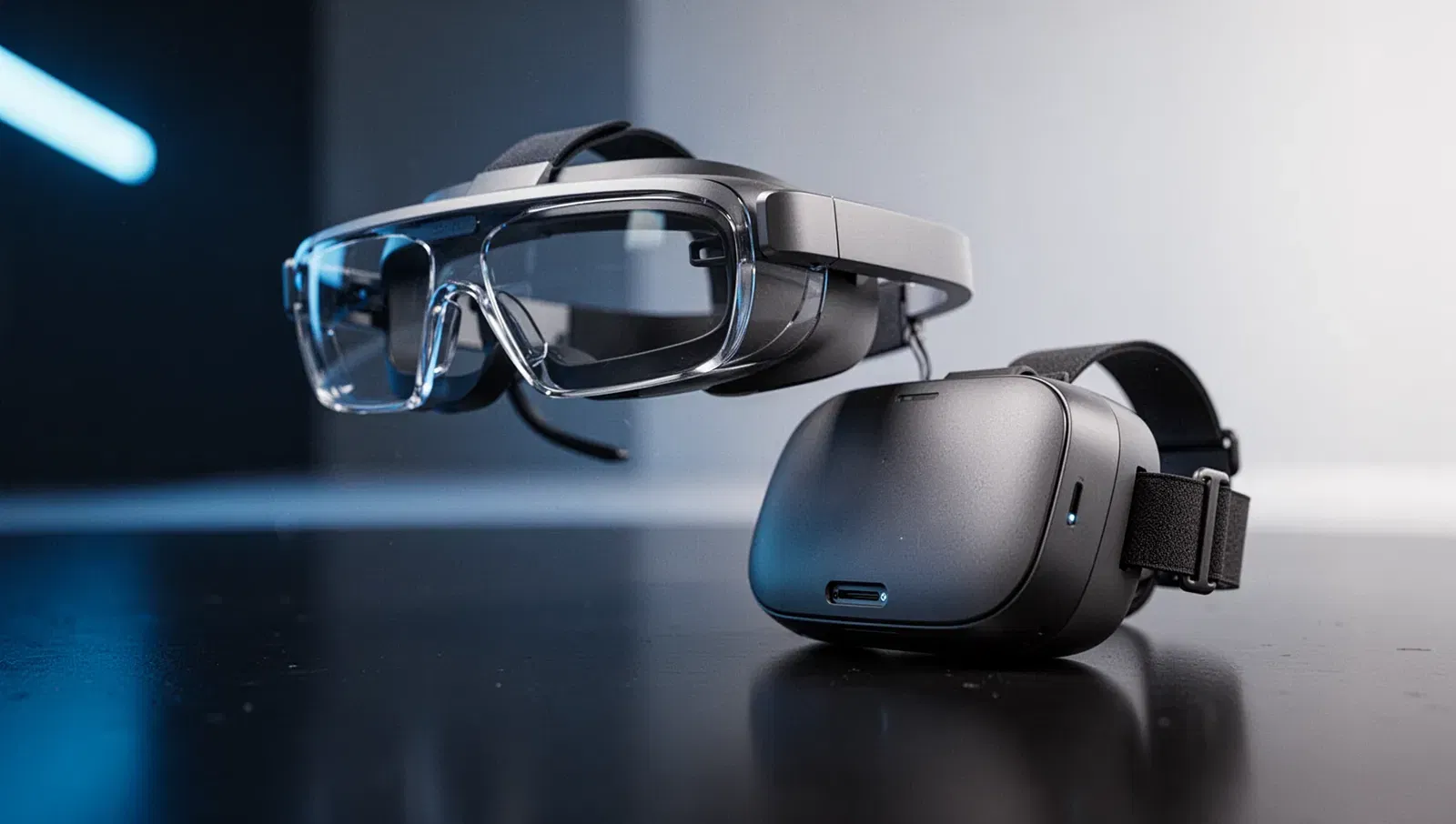
Forget the “brick-on-face” era. 2027 is the year of the 100g superpower glasses.
If you’ve been following the industry, you might remember the codename “Project Puffin.” In early 2026, internal memos confirmed that this project has evolved into Project Phoenix—Meta’s high-stakes bet to finally make Mixed Reality (MR) as wearable as a pair of Ray-Bans.
The tech world is currently obsessed with high-traffic keywords like “spatial computing” and “wearable AI,” but Phoenix is more than a buzzword. It’s a radical redesign that ditches the heavy battery and processor from the headset, moving them into a sleek, external “Compute Puck” that clips to your waist. The result? A headset that weighs roughly 110 grams. To put that in perspective, the Apple Vision Pro weighs over 600 grams. Phoenix is literally a featherweight contender in a heavyweight world.
While the Meta Phoenix release date has officially shifted to the first half of 2027, the leaked technical specs explain why Mark Zuckerberg is willing to wait. This isn’t just a Quest 3 in a smaller box; it’s a premium device aiming for the “retina-quality” crown.
“The goal isn’t just to make it smaller; it’s to make it invisible. If you forget you’re wearing it, Meta wins the MR war.” — Industry Insider Leak, 2026.
One of the most common questions is: “Should I wait for Phoenix or the Quest 4?” The answer depends on your “VR Identity.”
| Feature | Project Phoenix (2027) | Meta Quest 4 (2027) |
|---|---|---|
| Primary Focus | Productivity, Media, Social | AAA Gaming, Fitness, Immersion |
| Weight | ~110g (Ultra-Light) | ~500g (Balanced) |
| Form Factor | Glass-style / Tethered Puck | All-in-one Standalone |
| Target Audience | The “Digital Nomad” & Cinephile | The Hardcore Gamer |
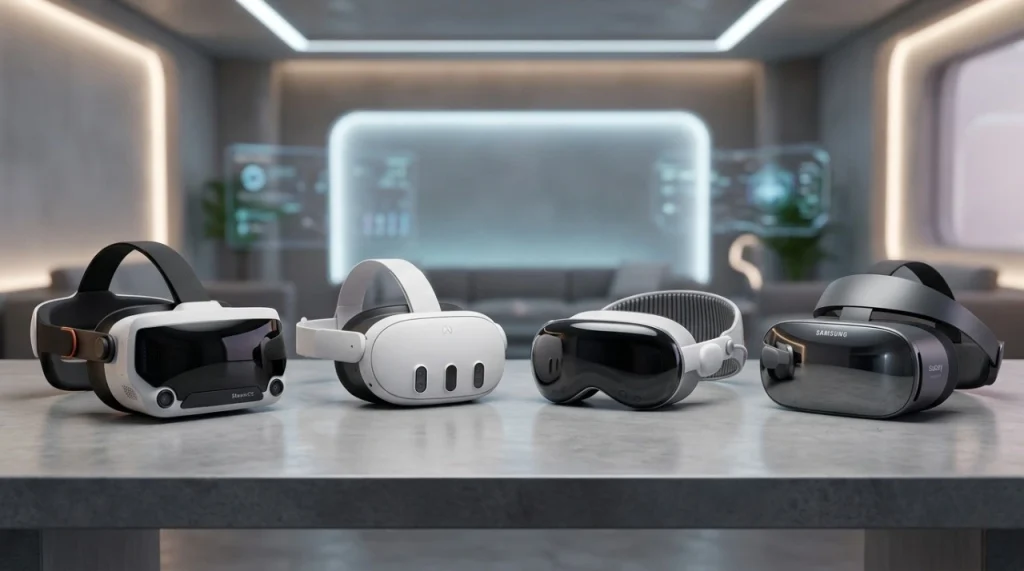
Meta is currently navigating a 2026 market that is more crowded than ever. With Samsung’s Galaxy XR and Valve’s Steam Frame looming, Meta’s leadership (including VPs Gabriel Aul and Ryan Cairns) decided to prioritize “polish over speed.”
The extra “breathing room” mentioned in leaked memos is being used to perfect Horizon OS. They want the transition between the real world and the digital world to be lag-free. In 2026, we’ll see a “Malibu 2” limited edition wearable as a teaser, but the real firestorm starts when Phoenix finally ships in 2027.
Meta Phoenix isn’t just another gadget; it’s a statement. By embracing the tethered compute puck, Meta is solving the comfort crisis that has held back VR for a decade. Whether you’re a developer looking for the ultimate spatial workstation or a movie buff wanting a 200-inch screen in your pocket, Phoenix is the most attractive piece of hardware on the horizon.