 11
11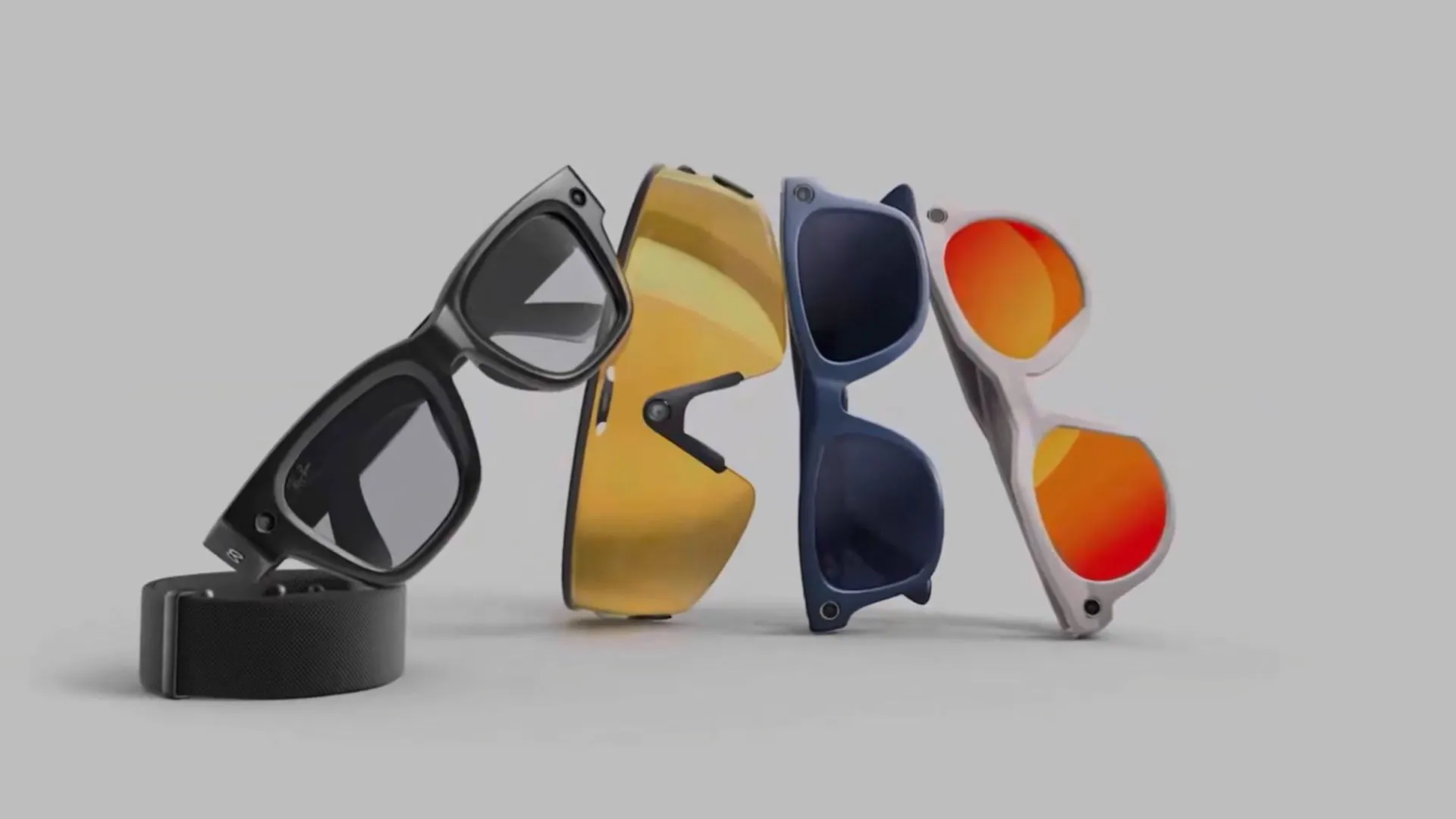
Meta currently faces a massive class-action lawsuit regarding its popular Ray Ban smart glasses. The legal battle centers on a disturbing claim: Meta allegedly sent private footage to overseas contractors.
This news has sparked a wave of smart glasses data privacy concerns among tech enthusiasts. Consequently, privacy advocates are now questioning the safety of wearable AI devices.
An investigative report recently revealed that Meta utilized a Kenya-based subcontractor to review private videos. These “data annotators” manually processed images to train Meta’s AI models.
Reports suggest these workers viewed highly sensitive moments, including private activities inside users’ homes. While Meta markets these glasses as a seamless AI assistant, the lawsuit alleges a different reality. Specifically, the legal filing claims that Meta misled consumers about its data privacy protections.
In response to the allegations, Meta spokespeople clarified their data handling policies. When users interact with Meta AI, the company sometimes uses contractors to review that data.
Meta maintains that this process improves the user experience. However, the Ray Ban Meta privacy lawsuit argues that “face anonymization” tools are insufficient. Therefore, private individuals in the background may still be identifiable to overseas reviewers.
The current controversy highlights several long-term risks for the wearable tech industry. These issues could impact how we use smart devices in the future:
Unintended Recording: Reviewers viewed footage of people who did not know they were being recorded.
Sensitive Data Handling: Footage often includes financial information or intimate domestic scenes.
Lack of Transparency: Many users are unaware that humans view their private AI training files.
This smart glasses data privacy concern sets a precedent for the entire XR industry. If tech giants cannot guarantee data security, consumer trust will continue to erode.
Consequently, experts expect stricter regulations for wearable cameras in the coming years. For now, users should review their “opt out” settings for AI training within the Meta View app.
For more details, you can read the full report on Road to VR’s coverage of the Meta lawsuit. Additionally, check out our analysis of John Carmack’s thoughts on Meta to see how policies are being challenged from within.