 11
11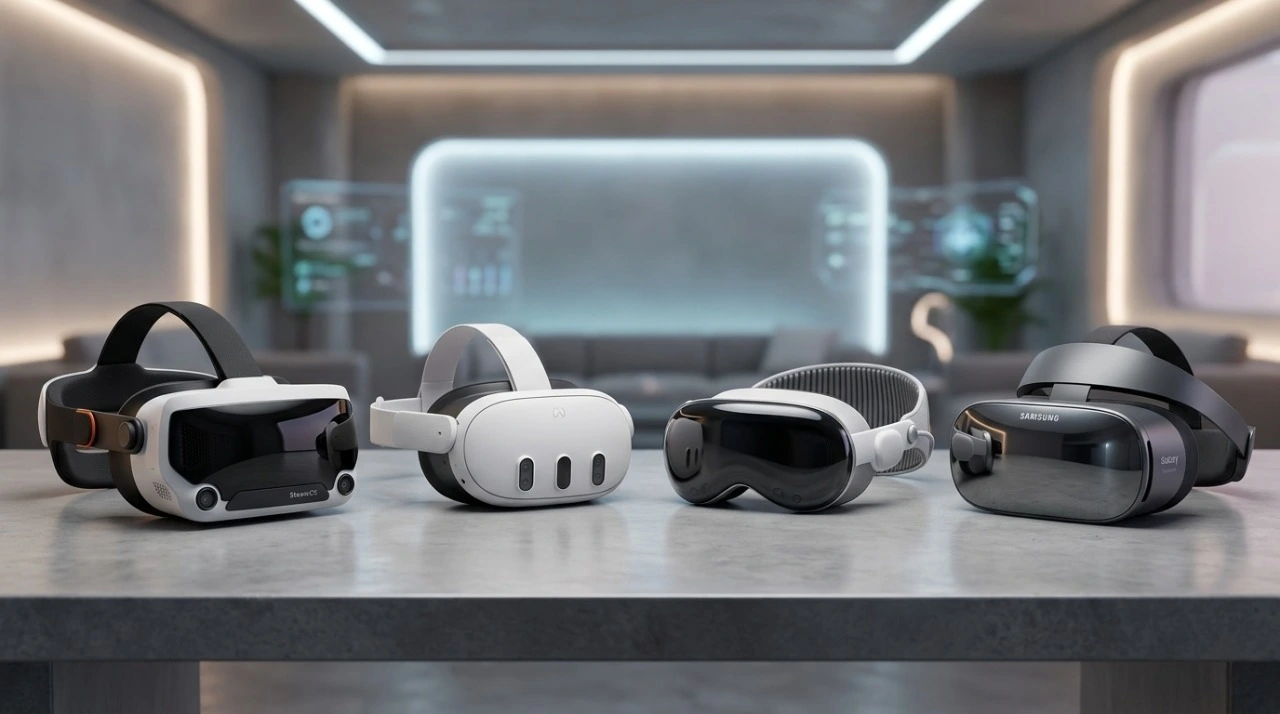
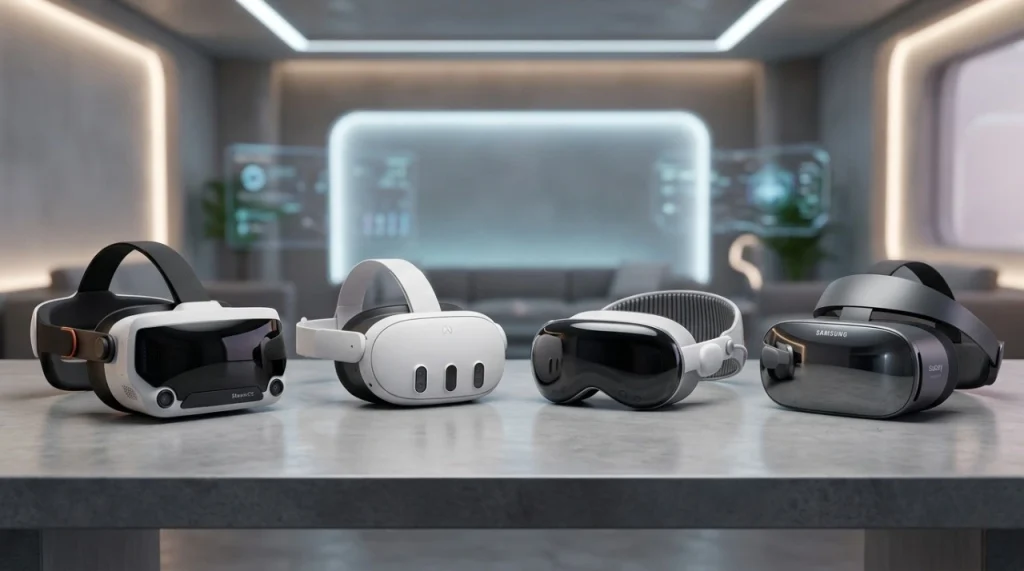
The landscape of Virtual Reality has shifted dramatically in 2026. We are no longer just looking at “gaming goggles”; we are entering the era of true Spatial Computing. Whether you’re a hardcore gamer, a remote professional, or a tech enthusiast, this year’s lineup offers something revolutionary.
Here is a breakdown of the hottest VR/XR hardware dominating the market right now.
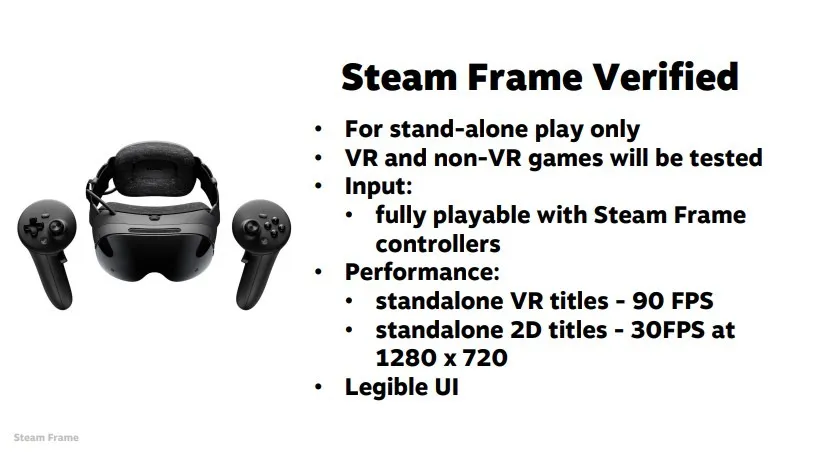
After years of anticipation regarding “Project Deckard,” the Valve Steam Frame has officially set a new standard for high-end immersion.
The Standout Feature: A standalone architecture running a VR-optimized version of SteamOS.
Why it’s hot: It functions as a “Steam Deck for your face,” allowing you to stream AAA PCVR titles wirelessly via a dedicated 6GHz Wi-Fi 6E link or run optimized titles natively.
Best for: Hardcore PC gamers who demand performance without being tethered to a desktop.
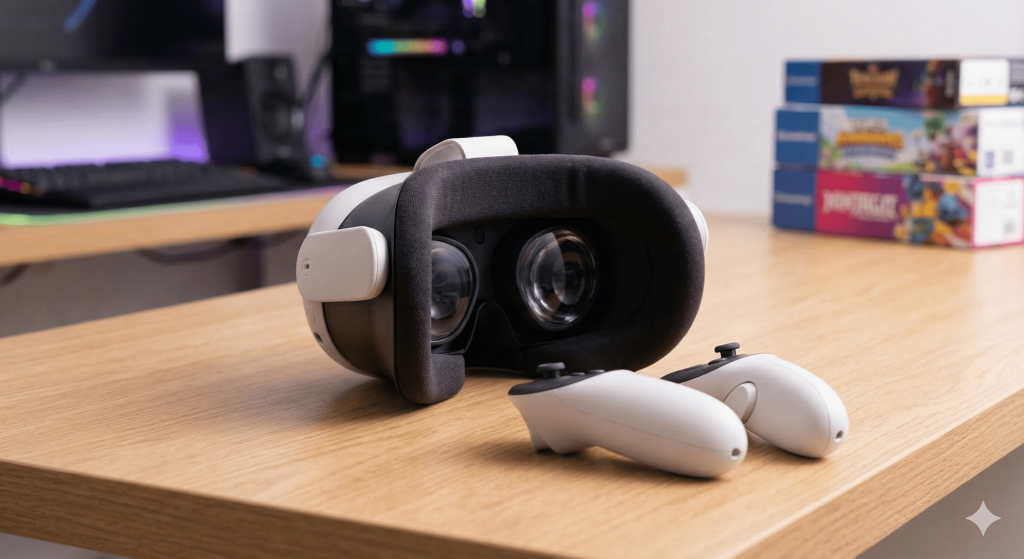
Meta has solidified its grip on the mass market by releasing the Quest 3S, perfect for those who want quality without a premium price tag.
The Standout Feature: High-fidelity Mixed Reality (MR) at an entry-level price.
Why it’s hot: It utilizes the same powerful chipset and pancake lenses as the Quest 3 but in a more cost-effective build. It is currently the “default” choice for social VR and fitness apps.
Best for: Beginners, fitness enthusiasts, and social VR users.
Apple’s second-generation headset focuses on what users wanted most: Weight reduction and processing power.
The Standout Feature: Ultra-precise eye-tracking and the new M5 chip.
Why it’s hot: The 2026 model has solved the “front-heavy” ergonomics of the original. With near-retina clarity, it remains the gold standard for spatial productivity and immersive cinema.
Best for: Professionals, creative directors, and movie buffs.
Born from the powerhouse collaboration between Samsung, Google, and Qualcomm, the Galaxy XR is the strongest Android-based rival to date.
The Standout Feature: Deep integration with the Android/Google ecosystem.
Why it’s hot: It offers a premium Mixed Reality experience that syncs perfectly with Galaxy smartphones and tablets. It’s the ideal middle ground between Meta’s accessibility and Apple’s luxury.
Best for: Android power users and those seeking a premium alternative to the Apple ecosystem.
AI-Enhanced Interaction: Devices now use on-board AI to predict hand movements and translate voice commands in real-time.
Lighter Form Factors: The average weight of headsets has dropped by 20% this year, making long-term wear much more viable.
True Mixed Reality: High-resolution passthrough is no longer a luxury; it’s a standard, making digital objects look indistinguishable from reality.
On a budget? The Meta Quest 3S offers the best bang for your buck.
A serious PC gamer? The Valve Steam Frame is unrivaled.
Work & Lifestyle? Choose between the Apple Vision Pro or Samsung Galaxy XR depending on your smartphone preference.
The future isn’t coming; it’s already here. Which headset are you strapping on tonight?