 11
11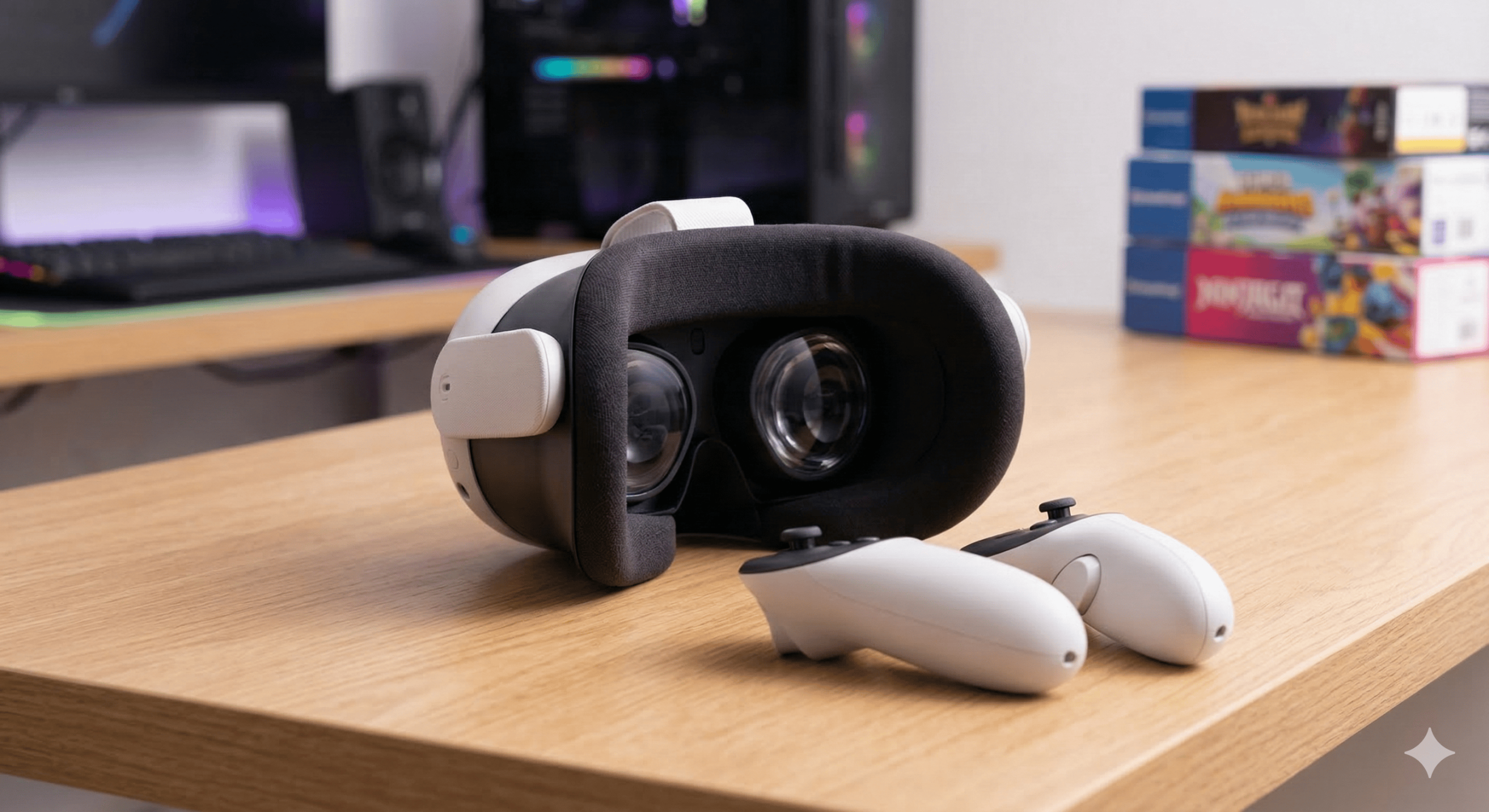
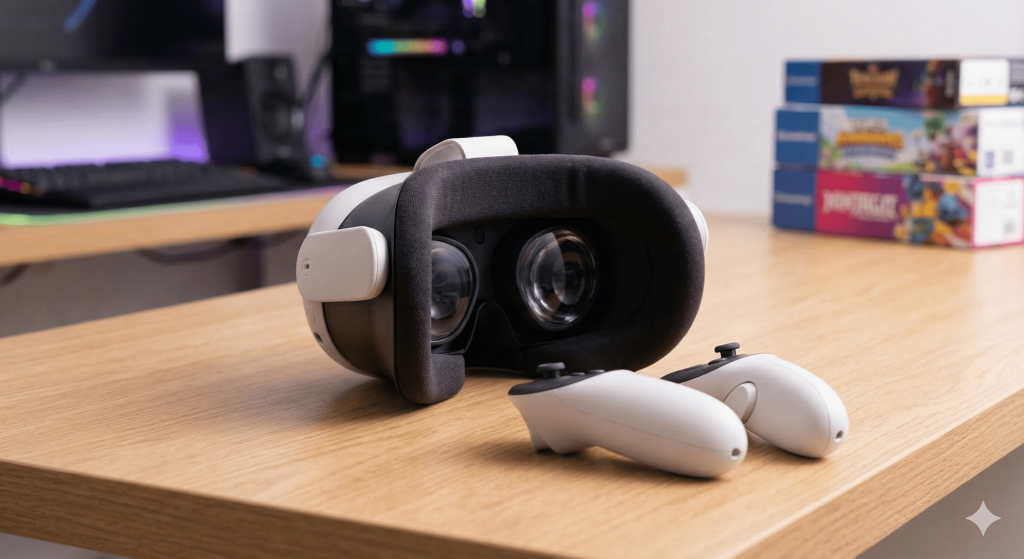
The Meta Quest 3 and its redesigned Touch Plus controllers, showcasing its slim profile and modern aesthetic.
Virtual reality has taken a massive leap forward, and at the forefront of this evolution is the Meta Quest 3 (formerly known and still widely referenced as Oculus Quest 3). While Meta dropped the iconic “Oculus” branding in recent years, this device is the definitive successor to the beloved Quest 2 and represents a new era in accessible, high-performance VR.
If you’re wondering what all the buzz is about, why it’s a “mixed reality” powerhouse, and whether it’s the right headset for you, you’ve come to the right place. Let’s dive deep into everything the Meta Quest 3 has to offer.
To understand the Quest 3, you need to understand where it came from. The original Oculus Quest revolutionized VR by ditching the PC and external sensors. The Quest 2 refined that formula, bringing better performance, a higher-resolution display, and an unbeatable price point.
Now, the Quest 3 has arrived, not just to incrementally improve on the Quest 2, but to completely change how we interact with both virtual and physical worlds.
This isn’t just a slight upgrade. The Quest 3 is packed with next-generation technology that makes VR more immersive, comfortable, and versatile than ever before.
The absolute headlining feature of the Quest 3 is its high-fidelity full-color Mixed Reality.
Unlike the grainy, black-and-white “Passthrough” of the Quest 2, the Quest 3 features dual 4-megapixel RGB cameras. This allows you to see the real world around you in sharp, full color, with virtually no latency.
Why is this a big deal?
Under the hood, the Quest 3 is the first headset to feature the Qualcomm Snapdragon XR2 Gen 2 platform. This is a massive jump, offering double the graphical performance of the Quest 2.
What does this mean for you?
The visual improvements aren’t just about the processor. The Quest 3 uses a revolutionary optic stack:
One of the biggest complaints about the Quest 2 was its comfort. Meta has addressed this in the Quest 3 in several key ways:
The new Touch Plus Controllers are a total redesign. Gone is the massive tracking ring that defined the Quest 2 controllers. This makes the controllers much more compact and ergonomic.
Crucially, they feature TruTouch Haptics. This provides a far more subtle and detailed range of vibrational feedback, allowing you to “feel” things like a bowstring tensioning, a racket hitting a ball, or even the subtle rumble of a car engine with incredible realism.
The headset also features significantly improved hand-tracking capabilities, making controller-free navigation more intuitive than ever.
This is the big question. At a launch price that is higher than the Quest 2, the Quest 3 is positioned as a mid-tier enthusiast headset rather than an entry-level one.
You should seriously consider the Quest 3 if:
You might stick with the Quest 2 (or other options) if:
The Meta Quest 3 isn’t just a sequel; it’s a statement. It proves that standalone VR can be a visually stunning, incredibly comfortable, and deeply versatile experience. By seamlessly integrating the physical world through mixed reality and leveraging a massive graphical leap, the Quest 3 moves VR beyond a niche novelty into a powerful computing platform for gaming, productivity, entertainment, and social interaction.
If you’re ready to experience the cutting edge of mixed and virtual reality, the Quest 3 is waiting for you.